Scottish Larch
A practical guide to Scottish Larch, its natural durability and how it weathers
Larch timber is a very popular choice for outdoor projects and cladding because it offers a perfect balance between high structural strength, natural durability, and affordability.
Larch is commonly referred to as a ‘premium’ softwood and is one of the few softwoods that we work with at Scottish Wood.
About Larch Timber
Larch’s ‘premium’ title comes from its natural durability. Larch has a high resin content that naturally repels insects and resists rot, offering a lifespan of 15 to 30+ years in most external environments.
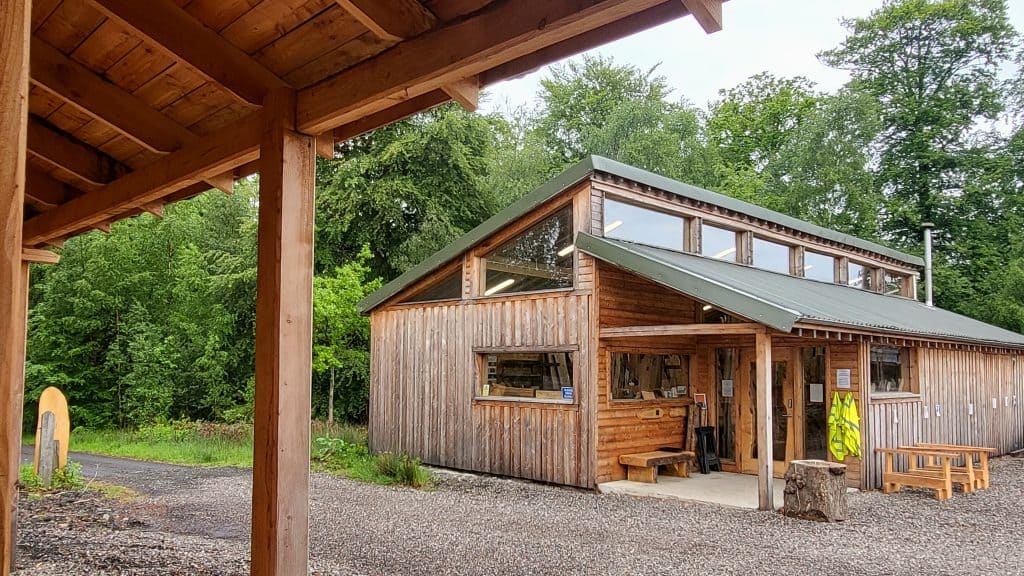
For timber cladding, with good detail and installation, larch’s lifespan can be measured in decades. At Scottish Wood we’ve historically clad all our buildings in Scottish larch, the oldest is pushing 30 years and the larch cladding on its walls shows no sign of decay.
Key Reasons to Choose Larch
High impact & wear resistance
Larch is one of the hardest and densest of the commercial softwoods. Its strength, flexibility, wear resistance, and durability places it head and shoulders above most other softwoods, causing larch to often be referred to as “a working man’s hardwood”.
Natural durability
A high concentration of natural resin acts as an innate preservative agent, contributing to larch’s natural resistance to moisture, fungal decay, and insect attack. This allows larch to perform and endure in unpredictable British weather without chemical treatments.
Beautiful aging aesthetics
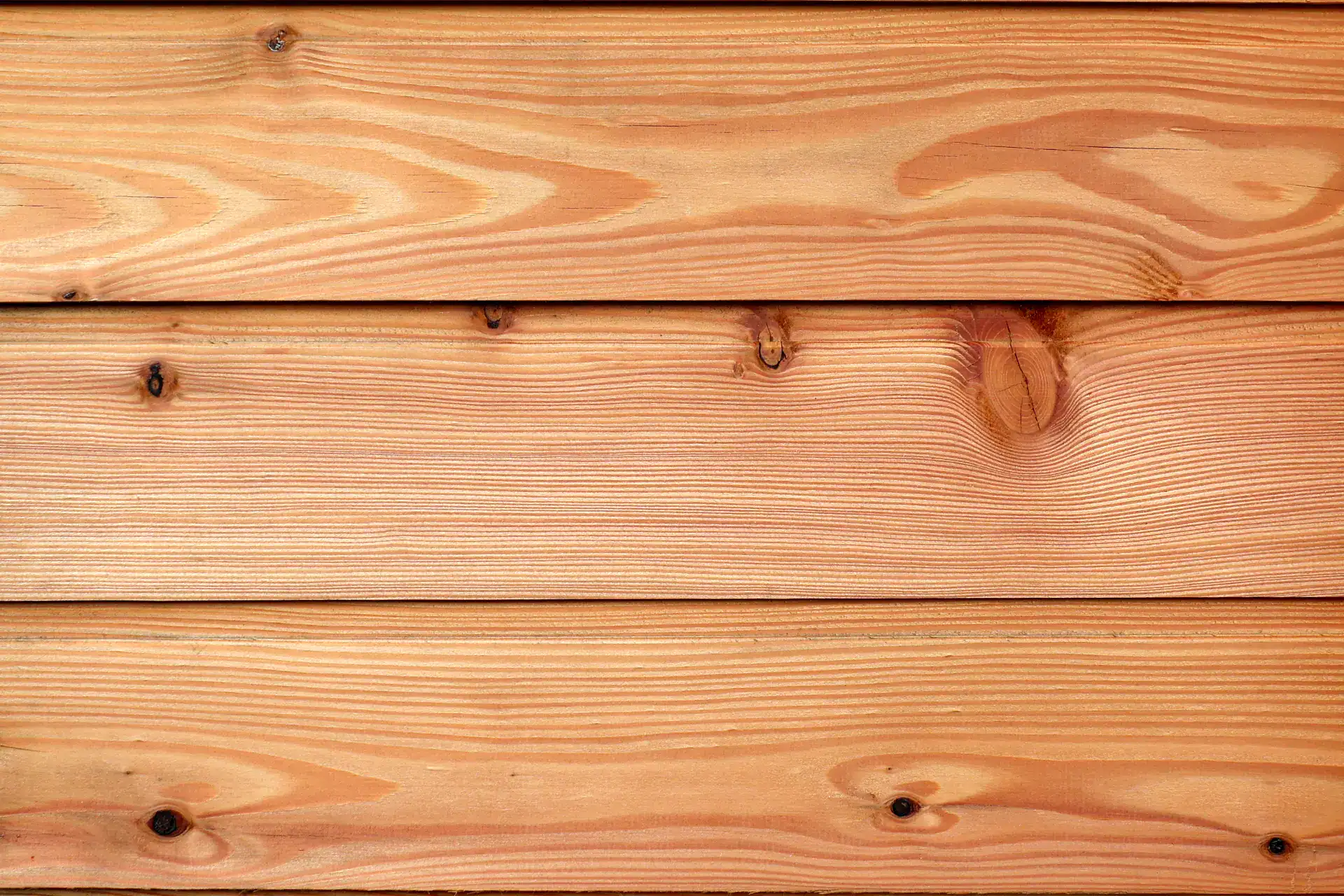
Fresh larch displays a warm, golden-yellow to pale reddish-brown colour. If left untreated, it naturally weathers into a rustic silver-grey patina over the course of 1 to 2 years.
Find more information and examples on larch’s colour and weathering in our larch colouration page.
Cost efficiency
Larch offers great performance and longevity similar to imported hardwoods, or Western Red Cedar, but at a much more wallet-friendly price.
Eco-friendly sourcing
Locally grown larch (such as British or Scottish Larch) carries a low carbon footprint and supports sustainable regional forestry.
Larch Colouring and Weathering
Freshly cut larch starts out as a warm, golden-yellow to pale reddish-brown colour. Over time, as with all timbers, its colour will change.
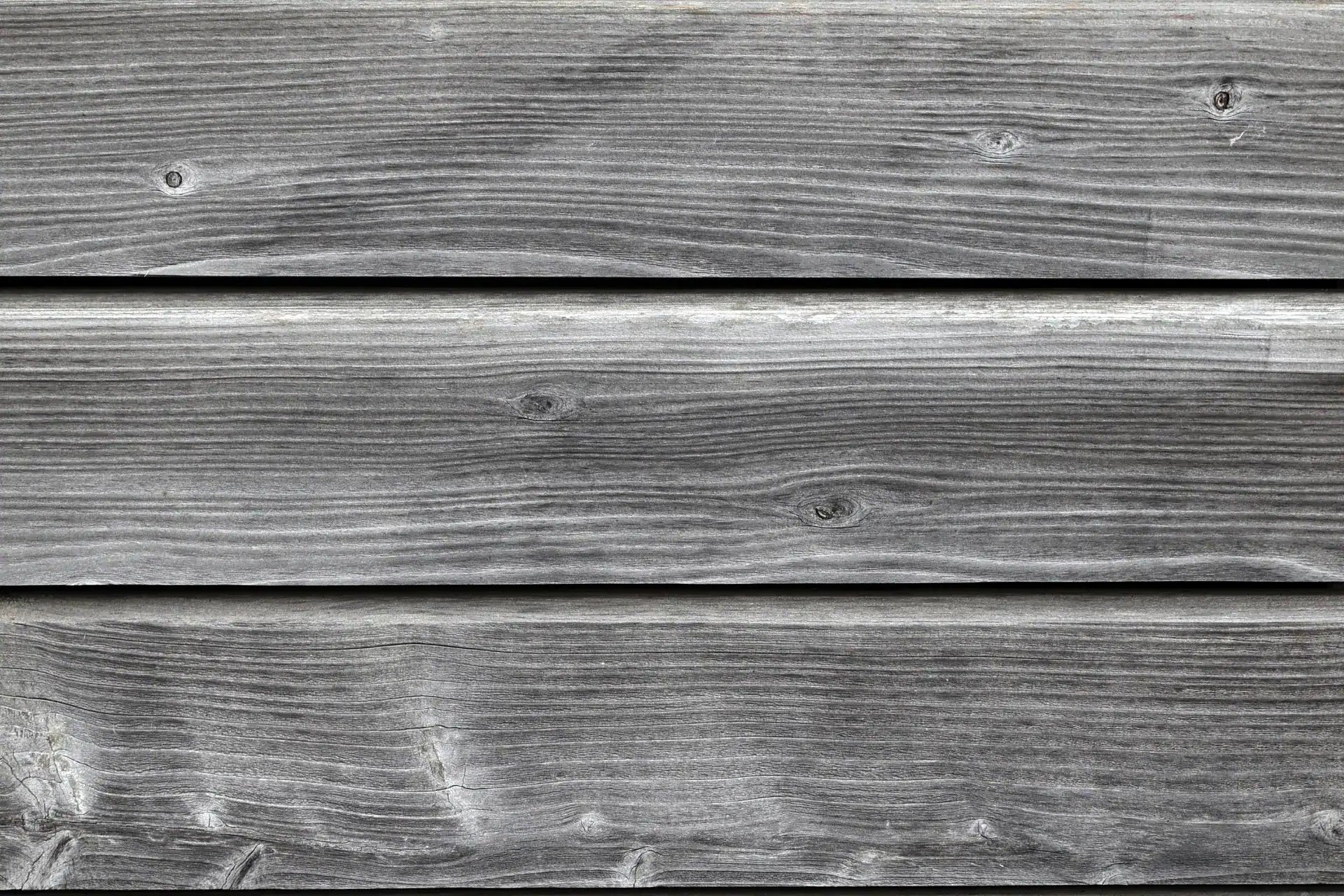
When timber goes into an outside environment and is exposed to sunlight and weather, it will gradually change its colour to what is often described as a light silvery-grey.
Depending on the timber’s placement and exposure, the timescale of this process can vary from several months to a couple of years, or never at all if the timber doesn’t receive exposure to both UV and moisture.
More information and examples of larch’s colour change in our Larch Colouring & Weathering page.

Less than 1 year old larch cladding 2 year old larch cladding 19 year old larch cladding

Heartwood, Sapwood, and Natural Durability
Heartwood and sapwood explained
The wood inside all trees is made up of both sapwood and heartwood.
Sapwood is the tree’s active, living pipeline, transporting water and nutrients from the roots to the leaves.
In contrast, heartwood is the inactive inner core that provides structural support. All heartwood began as sapwood, eventually dying and compacting as the tree grows older and wider.
Sapwood is rich in sugars, and this makes it highly susceptible to mould, fungi, and insect attack if left untreated.
With many timbers the sapwood is easily identifiable as a pale band around the edge of a log or board. In some species the distinction is less obvious, particularly when the heartwood is also pale in colour, such as in beech and sycamore.

Why heartwood matters for durability
When discussing natural durability, it’s important to discern between heartwood and sapwood. Natural durability only refers to the timber’s heartwood, not the sapwood.
The natural durability of heartwood is often due to compounds found naturally within the timber. In larch, durability is largely due to its high resin content, while in oak it is associated with naturally occurring tannins.
Therefore when larch is referred to as a naturally durable timber, it is the heartwood that provides this natural durability. The sapwood is not considered naturally durable, which is why most suppliers remove excessive sapwood from outdoor products such as cladding during processing.
Types of Larch Available
Larch is a timber that grows all over the world, and there are a few different types typically available to the UK market.
Homegrown Larch
There are two species of larch commonly grown in the UK: European and Japanese, as well as hybrids between the two.
When referring to Scottish Larch, we’re referring to Scottish-grown European, Japanese, or Hybrid Larch – Scottish Larch is not a species in itself.
By choosing Scottish-grown larch, you’re supporting local forestry and local industry while also making the environmentally sustainable and budget friendly choice.
Strong, durable and naturally suited to outdoor use, Scottish Larch is an ideal choice for external cladding and a range of other outdoor projects.
Siberian Larch
Grown in Russia, Siberian Larch was previously widely available on the UK market but has become harder to source since European trade sanctions were placed on Russia.
Siberian Larch tends to be slower grown than homegrown larch and has smaller knots. It is generally lighter in colour, with a paler straw-like shade.
Siberian Larch is not classed as being any more durable than homegrown larch. It also tends to be more expensive and carries a significantly higher transport footprint due to the distance it must travel to reach the UK.
For many applications, Scottish-grown larch offers comparable durability while supporting local forestry and reducing transport emissions.
Naturally Durable Larch, or Treated Softwood?
Most softwood species don’t have the same natural durability as larch, causing them to rely on preservative treatment to achieve long-term outdoor performance.
Both timbers: untreated larch and treated softwoods, can be excellent choices for external applications.
Which is better?
It’s less about which is definitively better, and more about choice and opinion.
Naturally durable timbers may require less protective maintenance, but carry higher upfront cost. If your priorities are low maintenance, longevity, and natural beauty – then larch is the ideal choice.
Treated timbers require more consideration into their care and ongoing maintenance, but are still highly functional and tend to be more cost friendly. If your priorities are dictated by a stricter budget, and you don’t mind a bit of repeated maintenance, then treated timber is a solid choice.
Things to consider
Direct soil contact
Pressure treated softwoods can sometimes outperform larch in situations where the timber is in constant, direct contact with the ground. This is because constant ground contact exposes the timber to constant moisture and fungal attack, and pressure treatment that penetrates deep into in the timber may provide a stronger protection against this form of decay long term.
However, using treated timber in gardens where plants and vegetables grow has been considered a potentially unsafe practice in the past, as the chemicals used in the treatment process can leach into the soil. More modern treatment processes typically use less aggressive chemicals, but it is important to check their suitability with the manufacturer.
Cutting, notching, and drilling
Another advantage of larch is that its natural durability is inherent throughout the heartwood timber.
You can cut, chisel, and drill through the wood and it will remain durable and long lasting.
With treated softwoods, however, any cuts, notches, drill holes, or exposed end grain can pierce the envelope of the preservative treatment. Unless you end dip, paint, or re-treat, then the preservative effect may be compromised.
Find more information in our blog
We’ve written an article that addresses this question in more depth, check it our below.
Why choose Scottish Larch?
Why we think naturally durable Larch is a better choice than treated softwood for cladding and decking.
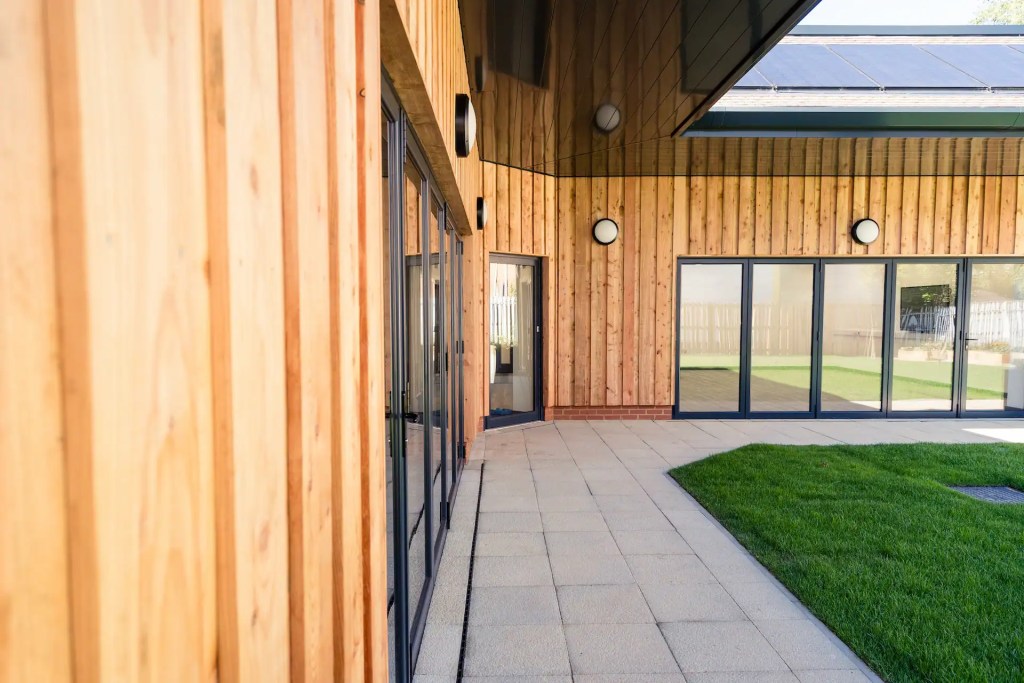
Would you like to have a look at the Scottish larch cladding we produce?