
How Scottish Wood seasons homegrown hardwoods
Proper seasoning is one of the most important stages in producing high-quality timber. Before hardwood can be used for furniture making, joinery, flooring, and many other interior applications, it must be carefully dried to reduce its moisture content and improve its long-term stability.
At Scottish Wood, our homegrown hardwoods are seasoned through a combination of traditional air drying and kiln drying. This guide explains the principles behind timber seasoning, how the process works, and the approach we use at our sawmill in Fife.


Why timber needs seasoning
Freshly sawn timber contains a high level of moisture. Depending on the species and conditions in which a tree has grown, this can account for a significant proportion of the timber’s weight. For example, freshly cut oak is around 60% water, but once it’s sawn and ready for turning into furniture, it will only be around 10% water.
Before timber can be used for furniture, joinery, flooring, and other interior applications, much of this moisture needs to be removed in a controlled way.
If timber is worked while still too wet, it will continue to shrink as it dries. This can lead to movement, distortion, splitting, and cracking after the finished product has been made.
Careful seasoning allows timber to become more stable, making it better suited to machining, construction, and long-term use.
Air drying timber
For most hardwoods at Scottish Wood, the seasoning process begins outdoors with air drying.
Freshly sawn boards are stacked in layers using small spacers, known as pins or stickers, between each layer. These allow air to circulate around all surfaces of the boards, gradually carrying away moisture as it leaves the timber.
Air drying is a slow process, but it is also one of the gentlest ways to season timber. Freshly sawn (or “green”) hardwood can contain around 60% moisture, and good air drying can reduce this to around 20%.
Because the process happens gradually, the timber is able to release internal stresses more slowly, helping to minimise distortion and maintain the shape of the boards.
Air drying also reduces the amount of energy required during the later kiln drying stage, making it an important part of the seasoning process for many hardwood sawmills.


Kiln drying timber
Although well air-dried timber is suitable for some applications – such as outdoor timber furniture or gate building, most furniture making, joinery, flooring, and interior uses require timber with a lower moisture content.
Once timber has been air dried, it can be transferred to a kiln where the drying process continues in a controlled environment. At Scottish Wood, we typically dry timber down to around 10–12% moisture content, which matches the conditions found inside most centrally heated buildings.
Kiln drying helps ensure timber remains stable when it is manufactured into finished products such as furniture, flooring, kitchens, and interior joinery.


Watch the ASHS Guide to Timber Seasoning & Kiln Drying
This educational guide was produced by the Association of Scottish Hardwood Sawmillers (ASHS) and filmed at the Scottish Wood sawmill in Fife.
The video explores the principles behind seasoning and kiln drying Scottish-grown hardwoods and softwoods, including air drying, kiln operation, moisture content, storage, and practical considerations for achieving stable, high-quality timber.
How kiln drying works
At Scottish Wood, we primarily use heat and vent kilns.
During this process, warm air is circulated through the timber using fans. The heat encourages moisture to leave the boards, turning the dry air inside the kiln into warm, moisture-rich air. This humid air is then vented outside and replaced with fresh dry air.
Kiln drying requires careful control. Drying timber too quickly can create stresses within the boards, increasing the risk of defects such as cracking, distortion, or case hardening.
The heat required for our kiln drying process is generated from our own waste wood and sawdust through our biomass heating system.
Why controlled drying matters
To understand why seasoning requires care, it helps to understand how moisture is held within wood.
Freshly felled timber contains free water, which fills the spaces within the cells and is relatively easy to remove during air drying.
As drying continues, the remaining moisture is known as bound water, which is held within the cell walls themselves. This is the stage where timber begins to shrink, move, and respond to changes in moisture content.
The point where free water has been removed and the cell walls remain saturated is known as the fibre saturation point, which for most species is around 25–30% moisture content.
Once timber dries below this point, careful control becomes increasingly important to minimise movement and maintain stability.

Practical considerations when seasoning timber
Successful seasoning depends on more than simply drying timber for a set length of time. Different species, board sizes, and cutting methods all influence how timber behaves.
Species
Different species dry at different rates. Oak is particularly slow to dry, and a common saying is that it requires approximately one year per inch of thickness when air drying.
Other homegrown hardwoods, including ash, beech, sycamore, and elm, generally dry more quickly.
At Scottish Wood, oak is typically kiln dried separately from other hardwood species because of its slower drying characteristics.
Board thickness
Thicker boards take longer to dry than thinner boards.
A 50mm board will require considerably more time to season than a 25mm board, as moisture has further to travel before it can leave the timber.
Stacking timber correctly
Correct stacking is essential during air drying.
Stacks should be placed on level ground or bearers, with stickers aligned vertically above one another to provide even support. This helps prevent boards from taking on unwanted shapes as they dry.
Protecting the ends of boards is also important, as moisture escapes more quickly through the end grain than through the faces of the timber. This can lead to end cracking if drying happens too quickly.
Storing kiln-dried timber
Once timber has reached its target moisture content, correct storage is essential to maintain its quality.
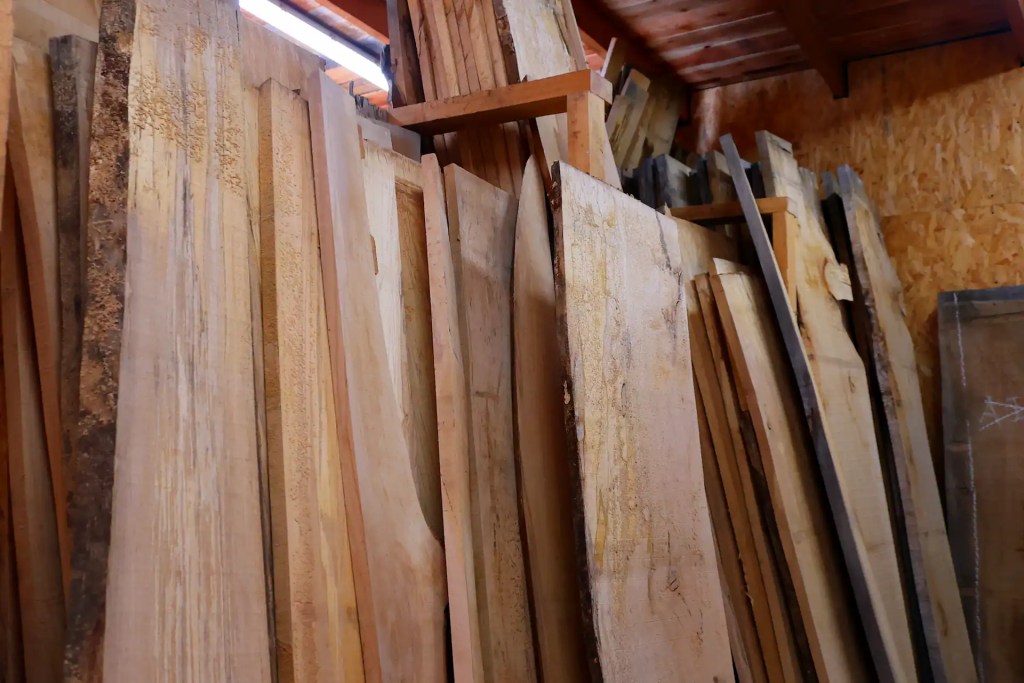
At Scottish Wood, kiln-dried timber is removed from stick before storage. This reduces airflow through the stack and helps prevent the timber from taking moisture back on from the surrounding atmosphere.
Ideally, dried timber would be stored in conditions similar to where it will eventually be used. In practice, many sawmills use enclosed stores, lined buildings, containers, or wrapped packs to help maintain a stable moisture content.

About the Association of Scottish Hardwood Sawmillers
The Association of Scottish Hardwood Sawmillers (ASHS) is a co-operative of independent sawmills and timber processors working to promote the use of Scottish-grown timber and share knowledge across the industry.
Scottish Wood has been a member of ASHS since the early 2000s and was commissioned to produce this educational film as part of the organisation’s wider programme of resources supporting knowledge and skills within the Scottish timber industry.
ASHS has produced a series of educational videos and guides covering timber species, processing, grading, machining, seasoning, cladding, and other aspects of working with Scottish timber.
To explore more ASHS content, visit the Video Knowledge Base on the ASHS website at www.ashs.co.uk.
Related timber guides
Explore more Scottish Wood guides covering timber species, timber processing, cladding, and other aspects of working with homegrown timber.
Elm Wood
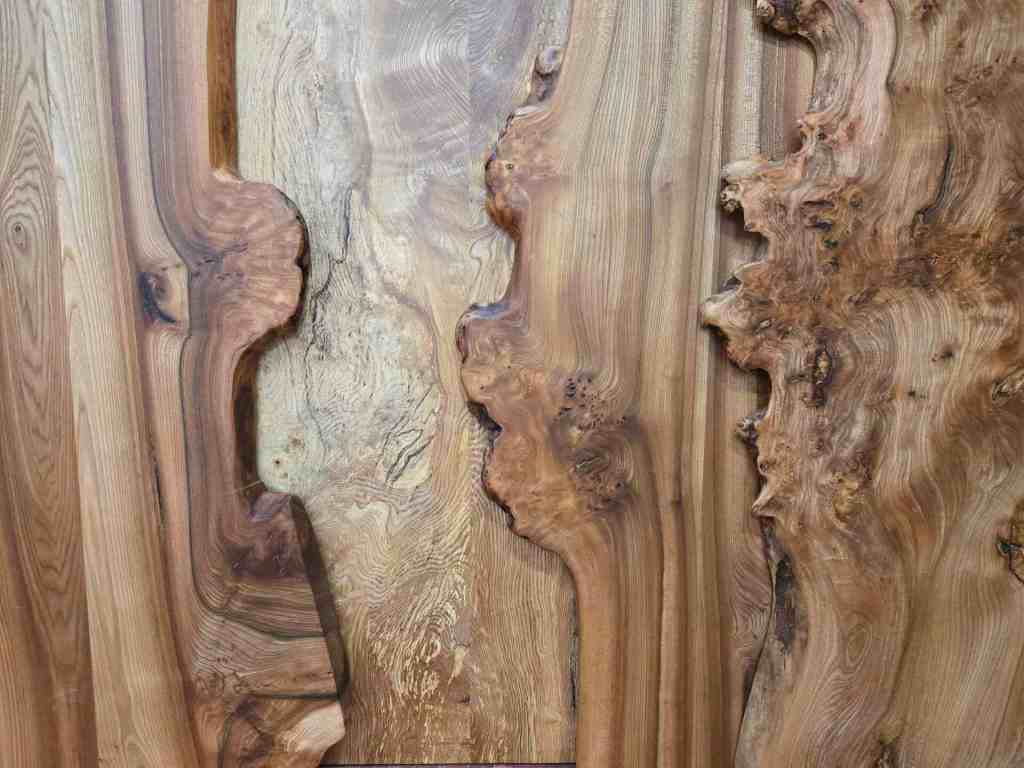
All about elm’s properties, uses, and the conditions that have made this distinctive and increasingly scarce timber so highly valued.
All About Scottish Larch
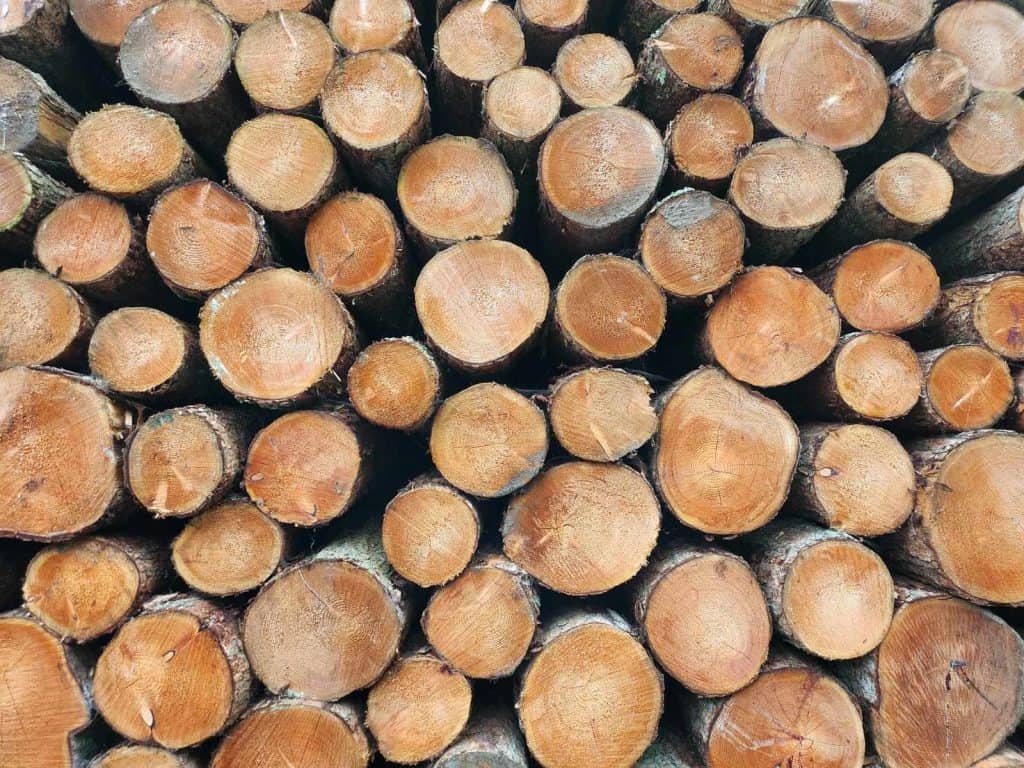
An overview of Scottish larch timber, its characteristics, and common uses.
Cladding Installation Guide & Advice
Best practise information and advice about how to install and care for your larch cladding.