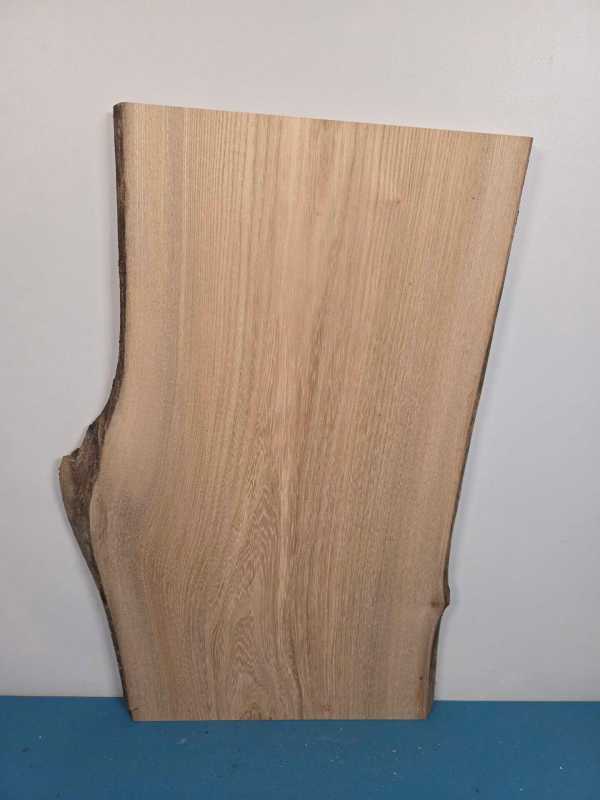
Elm has long been a valued hardwood for its distinctive appearance, attractive figuring, and versatility in fine woodworking. Once a familiar feature of the British landscape, it remains highly sought after for furniture making, interior joinery, turning, and decorative applications.
Today, quality elm timber is becoming increasingly difficult to source following the long-term impact of Dutch Elm Disease. This scarcity, combined with its unique character, has made elm one of the UK’s most prized native hardwoods.
About Elm
Elm is a hardwood known for its interlocking grain structure, attractive figuring, and natural resistance to splitting. Depending on the species and growing conditions, elm can display a wide range of colours and grain patterns — from warm golden browns to striking green tones sometimes found in Scottish wych elm.
The heartwood is typically light to medium brown, while the paler sapwood often creates a strong visual contrast that is considered highly attractive in furniture and decorative applications. Elm is particularly well known for its distinctive “partridge breast” figuring, as well as the highly decorative grain found in burrs and “cat’s paw” formations.
A waney or natural edge is often retained on elm boards to highlight the timber’s character and individuality.


Dutch Elm Disease and the decline of the elm tree
Dutch Elm Disease remains one of the most serious tree diseases to affect the UK landscape.
The disease is caused by a fungus spread by elm bark beetles, which carry fungal spores from tree to tree. First appearing in Britain in the 1920s, the disease initially declined before a far more aggressive strain was accidentally introduced through infected timber imports during the 1960s.
The disease spread rapidly throughout lowland Britain and reached Scotland within a decade, although Scottish wych elm initially showed greater resilience. Today, Dutch Elm Disease is widespread across the UK and continues to impact remaining elm populations, particularly along parts of Scotland’s east coast.
Where elm trees once formed a familiar part of the British landscape, mature specimens are now increasingly uncommon, often surviving only in isolated hedgerows, parkland, and woodland.
Much of the elm timber available today comes from trees affected by Dutch Elm Disease. While this is a limited and declining source, it allows some of these remarkable trees to be sustainably repurposed rather than lost entirely.
Elm’s characteristics
Elm has several unique qualities that make it particularly valued for specialist applications and fine woodworking.
Key characteristics
- Hardwood timber with a medium to coarse texture
- Distinctive interlocking grain pattern
- Naturally resistant to splitting
- Strong and well suited to a wide range of interior applications
- Excellent decorative grain and figure
- Machines and finishes well in most situations
- Notably durable when permanently submerged in water or used below ground level in low-oxygen conditions
Due to its interlocking grain structure, elm can often be nailed or screwed close to the end grain without splitting — something uncommon in many hardwood species.
Elm generally machines well, although highly figured or irregular grain can occasionally present challenges during machining and finishing.
Common uses
Elm has traditionally been used across a wide range of practical and decorative applications, including:
- Furniture making
- Table tops and worktops
- Flooring and wall panelling
- Turning and carving
- Veneer production
- Boxes and crafts
- Basket making
- Hockey sticks
- Wood pulp and papermaking
Today, elm is especially popular for bespoke furniture and live edge projects where its natural grain and character can be fully appreciated.
Elm timber at Scottish Wood
At Scottish Wood we stock and supply sustainably sourced elm timber in a wide variety of thicknesses and dimensions, including live edge, waney edge, natural edge, and straight-edged boards.
- Kiln dried, rough sawn boards
- Planed boards prepared to thickness
- Live edge and waney edge stock
- Burrs, offcuts, and craft pieces
- Fresh sawn and air dried mantels
- Worktops and table tops
We sell most of our hardwoods onsite in our timber shop or from our rough sawn trade stores, but selected stock is also available online. Visit our online shop to check out the elm boards and offcuts we have to offer.
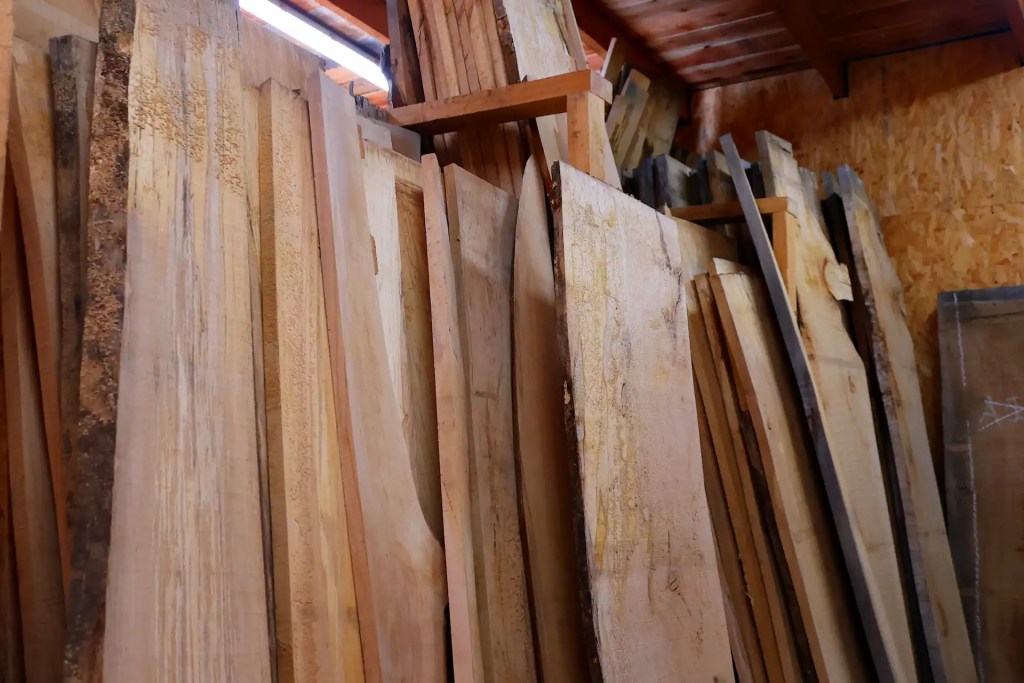

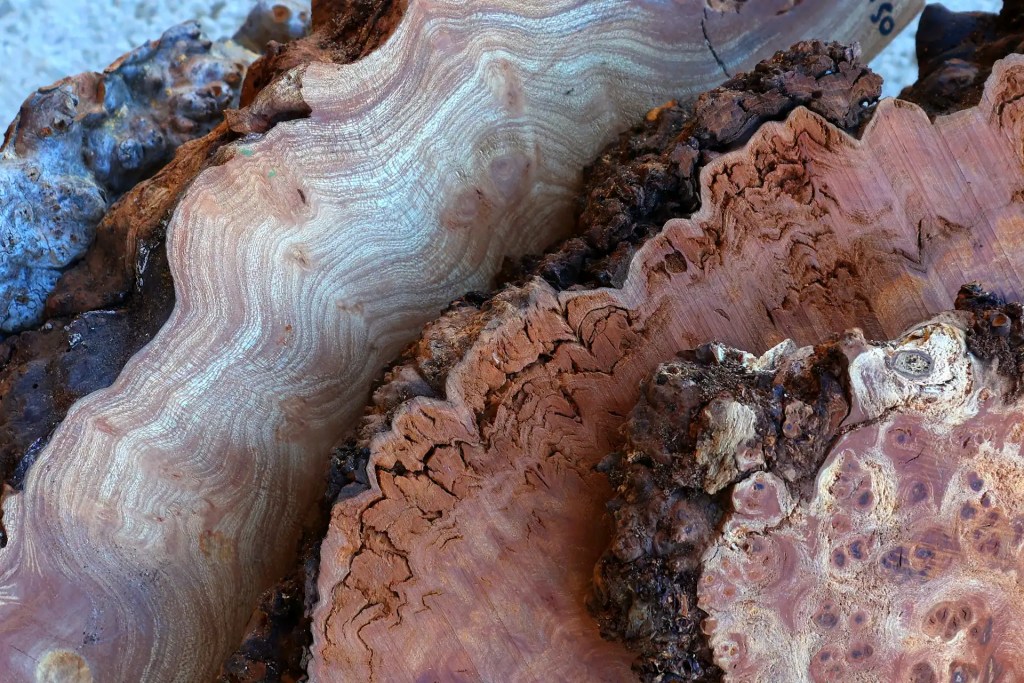


Scottish Elm Gallery


This blog post was updated in May 2026, as a part of the migration to the new Scottish Wood website.